The rise of autonomous AI systems brings forth a pressing challenge: how to establish identity and trustworthiness among entities that often operate independently and make decisions autonomously. Traditional identity frameworks, largely designed for human users and static credentials, fail to address the dynamic and ephemeral nature of these non-human agents. Enter SPIFFE—an identity framework that aims to redefine identity management in the context of AI and robotic systems.
Decoding SPIFFE
At its core, SPIFFE (Secure Production Identity Framework For Everyone) is more than just an identity model; it's an open standard that creates cryptographically verifiable identities for workloads, including microservices in cloud-native environments. By removing the dependency on long-lived secrets, SPIFFE allows for the dynamic issuance and rotation of identity credentials, which is essential for modern infrastructure.
Key attributes of SPIFFE include:
Workload Identity: Every service or process is assigned a unique identity known as a SPIFFE ID, crucial for distinguishing between various agents within an ecosystem.
Federated Trust: SPIFFE identities can be validated across diverse organizations and environments, fostering inter-system trust.
Dynamic Credentialing: Automatic issuance and rotation of identities mitigate the risk associated with credential leaks, enhancing operational security.
Importance of SPIFFE in the Era of Agentic AI
The necessity for effective identity management becomes even more apparent when dealing with agentic AI systems like autonomous agents or AI-driven bots. These systems must continuously prove their identity and establish trust within multi-agent environments. The implications of SPIFFE in this setting are profound:
Verifiable Non-Human Identity: By assigning SPIFFE IDs to individual AI agents, organizations can ensure that every entity can authenticate itself, establishing its origin and capabilities without human oversight.
Zero Trust Architecture: SPIFFE embodies the zero-trust principle, where every entity is treated as untrusted by default. Mutual TLS (mTLS), enabled by SPIFFE, guarantees authenticated and encrypted interactions between agents, significantly reducing the risk of impersonation or unauthorized access.
Cross-Domain Federation: Agentic AI systems usually operate across multiple clouds or networks. SPIFFE's federated model facilitates secure collaboration among diverse agents, essential for tasks like smart city management.
Dynamic Identity Lifecycle: The rapid provisioning and decommissioning of AI agents necessitate an identity model that adapts quickly. SPIFFE supports ephemeral identities, ensuring that credentials are automatically rotated, thus diminishing potential attack surfaces.
Use Case: AI Agents in a Smart City Context
Consider a scenario where a swarm of AI agents is employed to oversee a smart city's infrastructure—managing traffic signals, energy distribution, and emergency services. Each agent must:
Authenticate itself to peers.
Demonstrate authority for specific actions.
Communicate sensitive data securely.
Within this framework, SPIFFE IDs are distributed by a central SPIRE (SPIFFE Runtime Environment) server, enabling streamlined trust establishment and secure policy enforcement. This entire process can occur without direct human intervention, optimizing both efficiency and security.
Enhancing Identity Management with HashiCorp Vault
HashiCorp Vault’s recent updates, particularly in the 1.21 and 2.0 releases, reflect significant strides in integrating SPIFFE authentication into its ecosystem. The latest functionality allows Vault to issue and manage SPIFFE IDs—specifically X.509-SVIDs— for workloads and AI agents, establishing a more reliable foundation for managing non-human identities.
Key advantages of Vault's integration with SPIFFE include:
Automated Authentication: Vault simplifies the authentication process and the issuance of SVIDs, minimizing manual intervention.
Improved Traceability: Every authentication and SVID issuance event is logged in detail, enabling security teams to maintain comprehensive oversight.
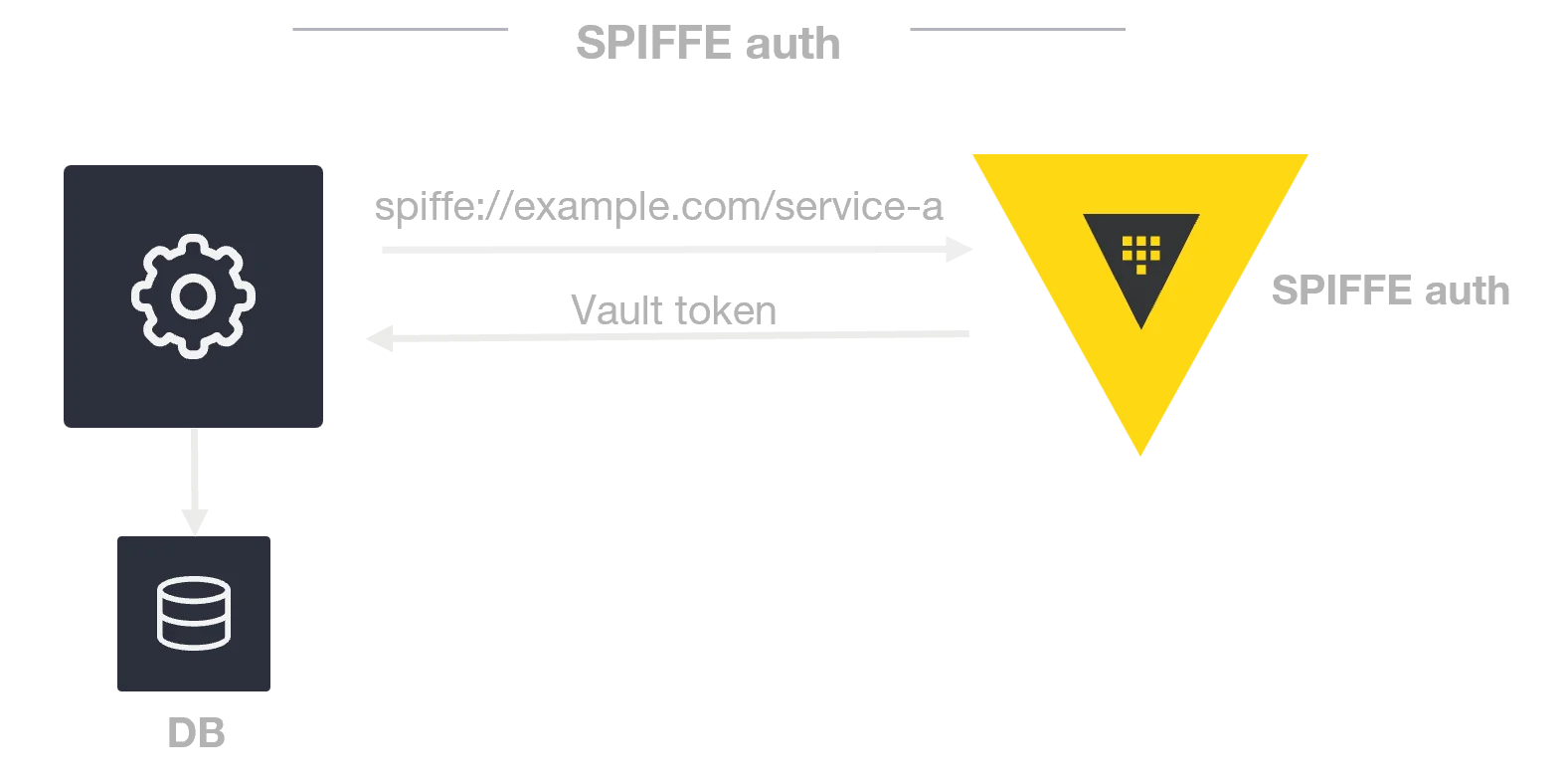
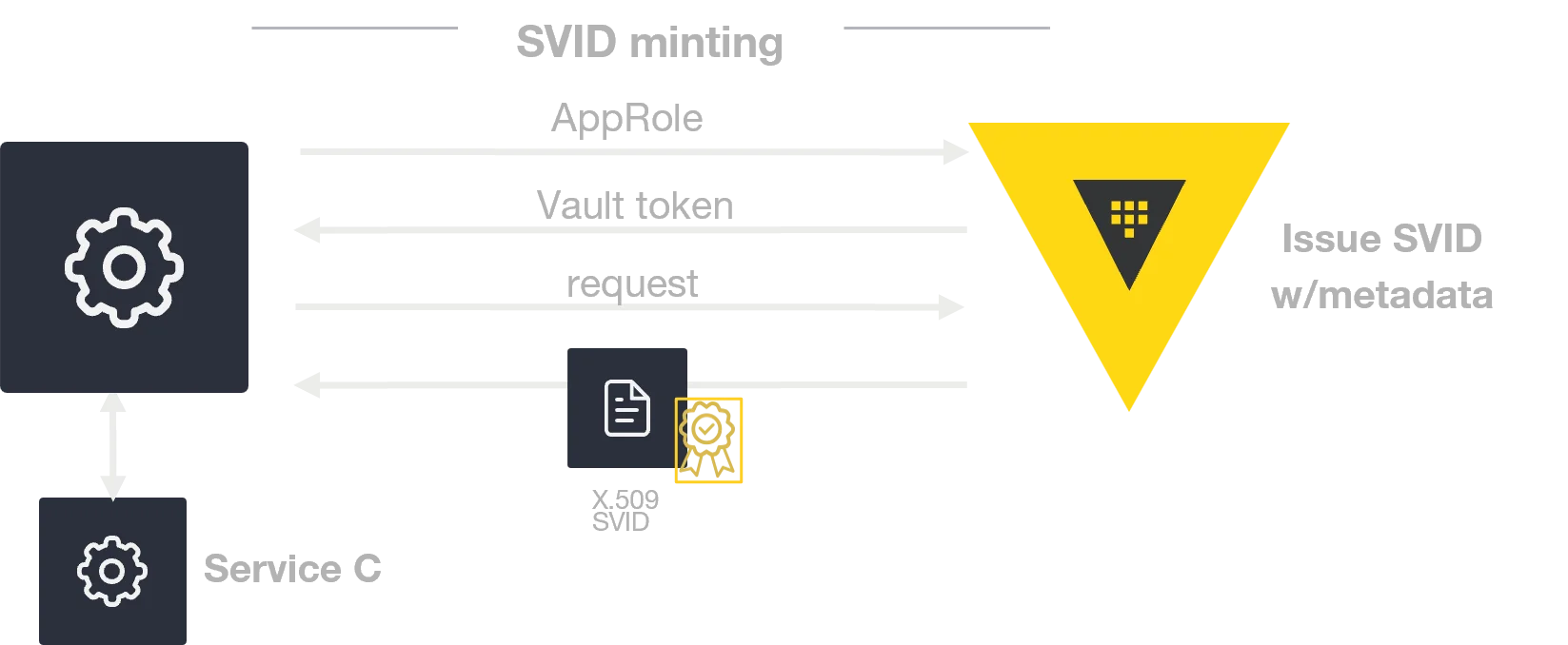

This substantial improvement in managing workload identities aligns perfectly with the demands presented by the shift to zero-trust security models, enabling broader applications of SPIFFE.
Implications for the Future of AI and Identity Management
As AI continues to advance, the complexity and interdependence of these systems will only heighten the importance of secure identity frameworks. The collaborative potential of agentic AI systems, coupled with the robust features offered by SPIFFE and Vault, lays the groundwork for a secure digital ecosystem. However, this requires a commitment to adapting identity management strategies that can keep pace with technological evolution.
For professionals in this domain, the imperative is clear: integrating SPIFFE with identity solutions like HashiCorp Vault not only addresses current security challenges but also prepares organizations for the rapidly evolving landscape of autonomous systems. So, if you're involved in AI or cybersecurity, staying informed about these frameworks isn't just beneficial—it's essential for safeguarding future innovations.
To uncover more about leveraging HCP Vault and Vault Enterprise, please visit the Vault product page.