The Evolution of Human Conversation: From Speech to Machines
Conversations have been the backbone of human interaction for millennia. We’ve exchanged information, completed transactions, and expressed our thoughts through countless exchanges across generations. It’s only been in the past few centuries that we've transitioned from verbal chatter to written dialogue, and even more recently, to conversations mediated by computers. As we’ll explore, machines excel with written language, yet they stumble with the more intricate messiness of spoken communication—a challenge that requires deliberate navigation for content strategists and designers alike.
Why Computers Struggle with Spoken Language
Here's the issue: while speech is the natural, instinctual mode of interaction for humans, translating spoken words into a format that machines can understand is fraught with difficulty. Speech comes laden with nuances—like pauses, intonations, and gestures—that add layers of meaning. The subtlety and variability of human conversation can confound even the most sophisticated AI systems. With our ability to read nonverbal cues during face-to-face discussions, we are often adept at filling in the blanks when meaning gets lost, something machines are not equipped to replicate.
In contrast, written text—once documented—has a permanence that speech never enjoys. It fossilizes our language use, preserving phrases that may become archaic over time. Written communication tends to be clearer and more structured, offering machines a straightforward pathway to understanding the content without the complications that accompany spoken exchanges.
The Complexity of Spoken Communication
When we engage in spoken dialogue, the exchange isn’t solely about the words uttered; it’s about emotions, tones, and rhythms—essentially, how something is said often carries more weight than the content itself. This nuanced expression creates exciting challenges for designers of voice interfaces, who must account for these complexities as they craft experiences that are not just functional but also emotionally resonant.
The crux of the matter is that we interact with voice technologies for reasons that parallel our ordinary conversations. Researchers like Michael McTear and colleagues point out that we initiate vocal exchanges primarily out of necessity: to complete tasks, gather information, or simply enjoy a chat. These motives can be classified into three main types: transactional, informational, and prosocial. What’s intriguing is that even the most advanced voice interactions can’t fully mimic the rich tapestry of human conversation, particularly in their ability to convey warmth and genuine interest. Given that machines lack true emotional engagement, purely prosocial conversations often come across as awkward or contrived.
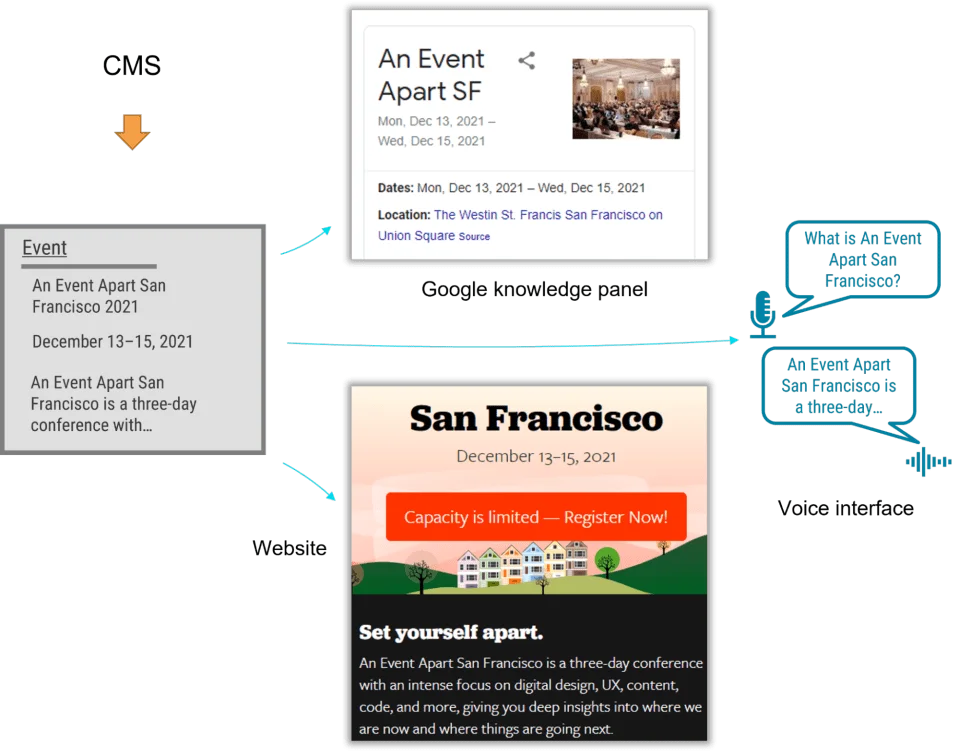
Ultimately, as we move forward in designing and refining voice interactions, the need to balance user expectations with technological capabilities remains critical. Recognizing that transactional and informational exchanges are more compatible with current voice interfaces can help shape how we approach these conversations—streamlining processes while still striving to infuse them with the human connection that users yearn for.Here's the crux of this discussion: as voice technology evolves, the way we handle content must change significantly. Voice assistants, like Amazon Alexa, often operate in a siloed fashion, limiting their reach to specific devices. Contrast this with platforms such as Google’s Dialogflow, which empower developers to create unified conversational interfaces that work across multiple modes—voice, text, or interactive voice response (IVR) systems. This shift towards omnichannel communication isn't just a tech enhancement; it's transforming user interaction and experience.
Embracing Voice Content
Now, what exactly is voice content? It’s more than just audio output; it’s a distinct form of communication that must flow naturally, contrasting sharply with the rigid structures of traditional written content. The essence of effective voice content lies in its ability to maintain a conversational tone—something that’s often lost in typical written formats.
We’re surrounded by various forms of voice content every day, from screen readers to AI-driven assistants providing real-time updates. Yet, here’s where it gets interesting: the current bulk of content on our websites simply isn’t suited for auditory consumption. The challenge we face is straightforward: how do we transform existing content into a format that feels natural when spoken? Moreover, how do we craft new content that aligns with the dynamics of voice interactions?
The evolution of digital content has introduced new paradigms. Websites resemble dense archives of macrocontent, filled with lengthy text that doesn't translate well to voice. Anil Dash’s early identification of microcontent as succinct, discrete pieces of information is more relevant than ever. What’s critical now is redefining this microcontent concept to encompass various forms, especially as we move toward immersive voice interactions. Think of microcontent as not only text snippets but also fragments of audio and other bite-sized content that solicit immediate attention.
The magic of voice content lies in how it’s experienced over time. Unlike visual content, which you can skim, audio holds your attention, albeit sometimes involuntarily. This concept will resonate with anyone who has navigated an automated phone system or waited for a voice assistant to finish a lengthy explanation.
Given this backdrop, we need to prioritize two essential metrics for successful voice content: its legibility and discoverability. It’s not merely about clarity; it’s about ensuring that the information is accessible and relevant in the auditory context. The way voice content is structured will significantly influence how effective it is, especially as users engage with it in various environments.
In sum, as we continue to develop voice-driven technology, understanding these nuances will be paramount. If you’re working within this space, consider how your content will play out in an auditory format. The future of content isn't just about more devices or interfaces; it’s about how well we adapt our messaging to suit the intimate and often immersive nature of voice interactions.