As Fitbit transitions fully into the Google Health brand, the implications for the health and fitness ecosystem are striking. The merger not only symbolizes Google's commitment to health tech but also raises questions about the future of existing products and services as they integrate into a cohesive Google Health platform. With the impending transformation, the spotlight shines on the new Google Health app, emphasizing features designed to enhance user engagement through AI and data synergy.
Key Transition Details and User Experience
The Fitbit app is undergoing a significant rebranding, morphing into Google Health on May 19. This switch follows Google's acquisition of Fitbit in 2021 and serves to centralize health data across Google's platforms. Users familiar with the Fitbit ecosystem won't need to download a new app; their existing data will transition seamlessly as the update rolls out.
This overhaul signifies more than just rebranding; it's a substantial evolution of functionality. Starting now, Google will actively notify users through push notifications about the changes, preparing them for a unified health tracking experience.
New Features: AI and Customization
At the heart of the Google Health app is the AI-driven Health Coach, which was previously available as part of Fitbit Premium. This feature, exclusive to Google Health Premium subscribers, crafts personalized training regimens and health advice based on user data, leveraging sophisticated machine learning models. Notably, these models boast a 15% improvement in sleep tracking accuracy, indicating an ambitious push toward enhancing user wellness through data.
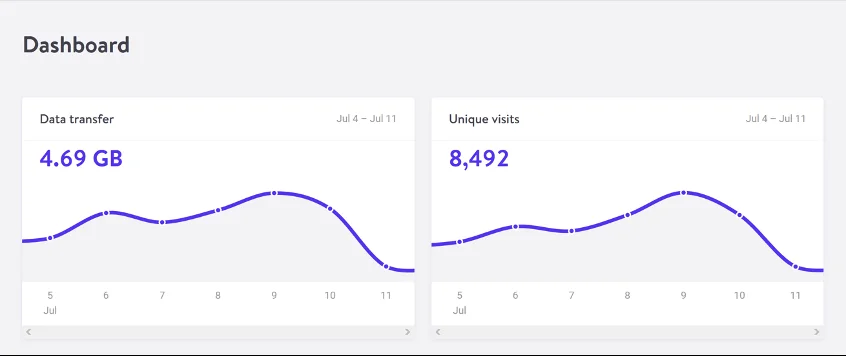
The app's interface is not just a cosmetic change; it introduces a fresh, customizable experience. Users can select which metrics to display prominently on their dashboards, providing a tailored view of their health metrics. This customization fosters a more engaging user interaction, reflecting the growing importance of user-centric design in health applications.
Integration of Health Ecosystems
One key aspect of this transition is the extensive compatibility with other health apps and platforms, including Apple Health and MyFitnessPal. This flexibility allows Google Health to function well outside of the typical confines of its ecosystem, appealing to users who may not be solely invested in Fitbit or Google products. Integrating various health data sources is a nod to a more holistic approach to personal health management.
The Cost of Health Premium
The Google Health Premium subscription, priced at $9.99 monthly or $99.99 yearly, represents a $20 increase for annual subscribers from the previous Fitbit Premium plan. While this may raise eyebrows, it's crucial to point out that many existing Google One subscribers will receive this feature at no extra cost. This move appears strategic; it's not merely about the increased prices but about expanding accessibility for premium features to a broader audience.
Significance of the Rebrand and User Sentiment
Critically, this transition encapsulates a branding strategy aimed at clarity and recognition in a crowded marketplace. While some users may lament the end of the Fitbit brand as a standalone entity, it's clear that merging its identity with Google Health provides a streamlined approach that could ultimately improve user experience. The apprehension some feeling toward this rebrand, however, could also reveal a consumer reliance on established brands for trustworthiness and familiarity in the health tech sector.
Yet, the instinct might be to view this shift merely as a rebranding exercise, but that simplification misses the underlying significance. This merger indicates a seismic shift toward a more cohesive and AI-enhanced ecosystem, hinting at a future where personalized health management becomes the norm rather than the exception.
Observations and Future Implications
Drawing from personal experiences and observations, it’s notable how this centralization consolidates Google’s health offerings after years of fragmentation. One can envision a future where the Google Health app is the nexus for health data management across devices and platforms, finally moving away from the previously scattered approach. This could affect competitors by raising the bar on what is expected in health tracking and user engagement technologies.
To wrap this up, the advancement of Google Health marks an intriguing juncture not just for Fitbit users, but for the broader wellness community. Observers in the tech and health spaces should pay close attention to how user adoption trends evolve, especially as the integration of AI features becomes more pronounced. This transformation isn't just about a new name; it holds the promise of revolutionizing how individuals interact with their health data and make informed wellness choices in an increasingly digital world.