The recent emphasis on humility in design underscores a growing recognition of the need for introspection and connection—qualities that are increasingly vital in a digital landscape often dominated by ego and competition. As design continues to evolve, this focus on humility serves not just as a personal philosophy but as a critical framework for fostering meaningful interactions within the industry.
Reflections on the Digital Design Journey
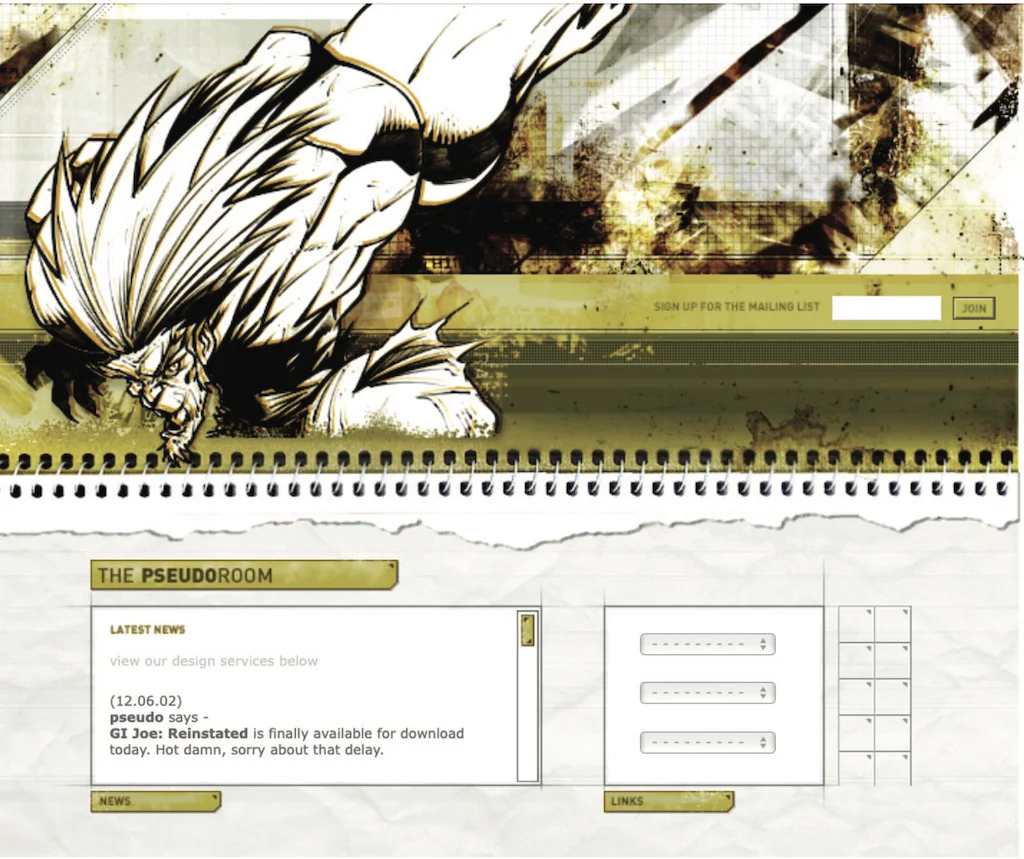
Reflecting on the evolution of web design reveals the drastic shifts from the chaotic creativity of the late 90s to the standardized templates of today. In that “Wild West” period, designers operated with a spirit of experimentation, frequently challenging conventions and prioritizing individuality over uniformity. Back then, the medium was still being defined, and designers grappled with discovering the rules even as they broke them, producing work characterized by vibrancy and personality.
Contrast this with the current state of web design, which many argue has stagnated. Today's prevalent use of essentially identical layouts—hero images, carousels, and grid structures—calls for a revival of that earlier sense of adventure and personal expression. While usability and accessibility are undoubtedly paramount in modern design considerations, an overemphasis on these factors at the expense of creativity signals a worrisome trend. If the design process prioritizes compliance over uniqueness, we risk diluting the very essence that makes visual communication powerful.
Lessons from Design History
Consider the vibrant focus on pixel art and personal expression in the early internet era, exemplified by platforms like K10k. This design portal was not just a website; it was a collaborative space where designers could share knowledge in real time, fostering a community that valued both aid and creative risk-taking. This collaborative spirit is a vital lesson for today’s designers: work that resonates emerges from shared experiences and learning.
The need for this reinvigorated collaboration becomes urgent when considering that pride can lead to isolation in the design community. When individual success overshadows collective growth, design stagnates, stagnating innovation and silencing diverse voices. The early experiences of designers navigating a still-maturing medium offer a stark reminder that our best work often emerges not through competition but through collaboration and humility.
Humility as a Design Value
Humility plays a pivotal role in how designers develop their craft and engage with others in the field. Acknowledging that there’s always more to learn opens the door to deeper connections with stakeholders and encourages a more explorative approach to problem-solving. Adopting a mindset of continuous learning fosters adaptability—something essential in a field that undergoes rapid change.
Take the example of designing interfaces for scientific applications like those used at the Large Hadron Collider. By collaborating closely with physicists and embracing a student mentality, designers can create more impactful work that truly meets user needs. It’s a move away from "knowing it all" to embracing the complexities of user experience, where the ability to listen and adjust is as key as the ability to create. This willingness to be vulnerable enriches the design process, ultimately leading to solutions that resonate on a human level.
The Pitfalls of Ego
However, the allure of recognition and success can be intoxicating, leading many designers astray. The anecdote of ego's corrosive influence on creativity is all too common. When the acclaim and praise become the primary motivators, it creates a feedback loop that diminishes authentic growth—design becomes a performance instead of a craft. This narrative serves as a warning: success that inflates one’s self-image can stifle the very essence of creativity.
The return to core values—humility, curiosity, and connection—becomes a necessary recalibration for sustaining a meaningful career in design. When designers cultivate a genuine commitment to these principles, they rejuvenate their work and professional relationships. The focus shifts from personal accolades to collective achievement, thus fostering a richer, more varied design ecosystem.
Looking Ahead
In the broader context of the design industry, embracing humility and collaborative spirit can serve as a catalyst for change. As designers push back against the cookie-cutter templates that dominate today’s web landscape, they stand to revitalize creativity. By recognizing the value of each other's contributions and fostering an environment of constructive feedback and shared learning, the community can overcome the design stagnation that has crept in.
Ultimately, if we can pivot to a more community-focused, humility-infused approach to design—one that values every voice and emphasizes continual learning—we might just rediscover the essence that makes this field not just functional, but profoundly impactful.